Why DTF Transfers Are Changing Custom Apparel Production
@thedtftransferstips
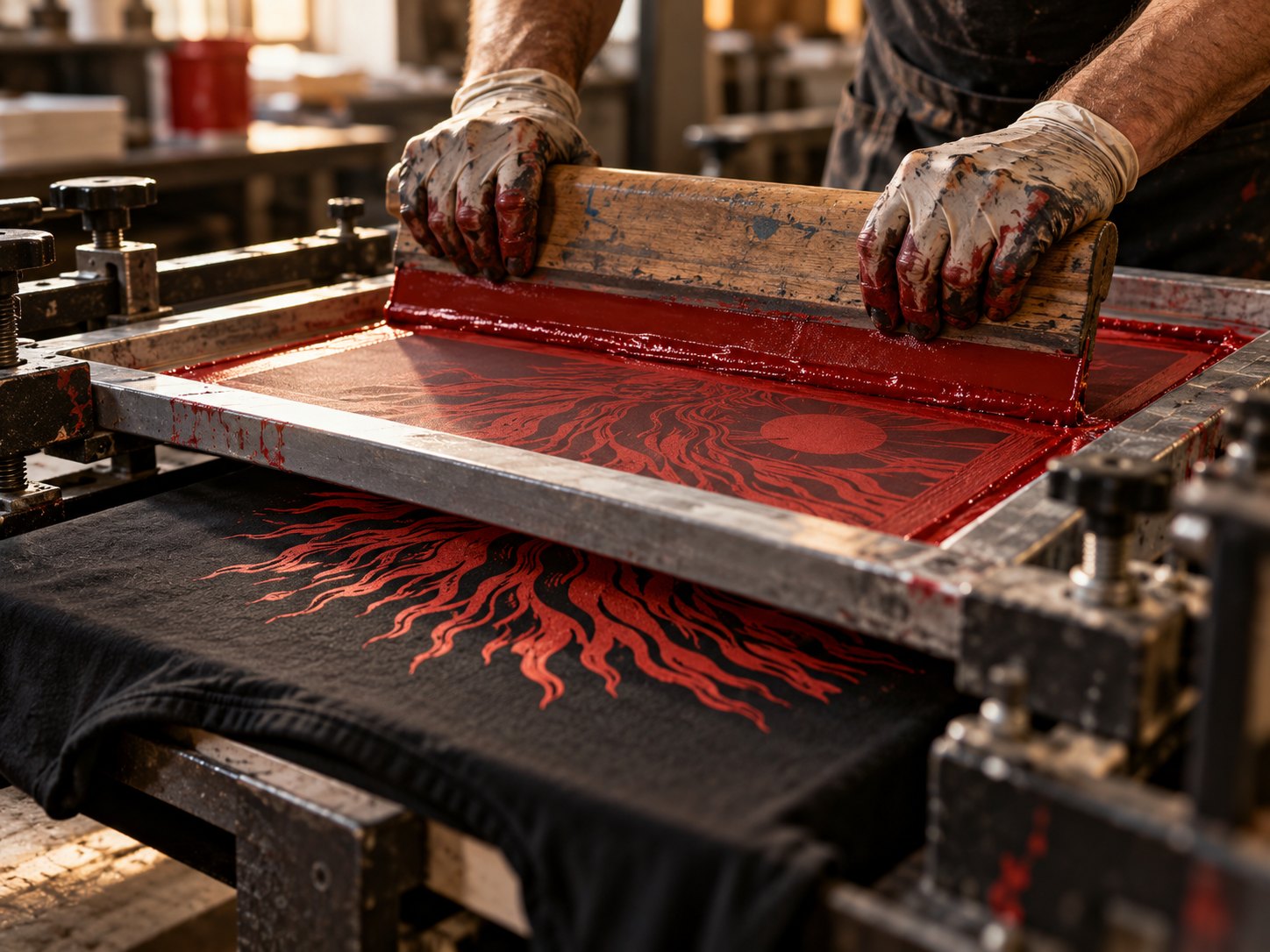
For years, screen printing has been the default choice for custom apparel. It delivers bold colors, durable prints, and a cost structure that rewards volume. But screen printing has always had limits. Setup costs make short runs expensive. Multicolor designs require multiple screens and careful registration. And certain fabrics simply do not hold plastisol ink the way cotton does. That is where DTF transfers have started to shift the conversation.
DTF stands for direct-to-film. The process prints a design onto a special film, applies adhesive powder, cures it, and then presses the film onto the garment. Unlike direct-to-garment printing, which prints ink directly onto fabric, DTF uses a transfer medium. That distinction might sound minor, but it opens up a lot of practical advantages for anyone running a small apparel business or managing uniforms for an organization.
How DTF Transfers Work in Practice
The workflow is straightforward. You print your artwork onto a roll of PET film using a DTF printer and specialized pigment inks. While the ink is still wet, you apply a hot-melt adhesive powder to the film. The powder sticks only to the inked areas. Then you cure the film in an oven or heat tunnel to set the adhesive. The result is a ready-to-press transfer that can sit on a shelf for months.
When you need to apply it, you pre-press the garment to remove moisture and wrinkles, position the transfer, and apply heat and pressure with a heat press. Peel the film away hot or cold depending on the adhesive type, and the design stays on the fabric. That is it. No screens, no emulsion, no registration headaches.
For a shop that does not have a dedicated screen printing setup, this is a huge time saver. I have seen small teams produce full-color one-off designs in under fifteen minutes from file to finished shirt. Screen printing cannot match that speed for single pieces.
Where DTF Outperforms Traditional Methods
Let us compare DTF transfers with the two other common methods: screen printing and heat transfer vinyl. Each has a place, but DTF fills gaps that the other two leave open.
- Screen printing is still king for large runs of the same design on the same color garment. But setup time and cost kill it for quantities under fifty pieces.
- Heat transfer vinyl works for simple, single-color designs and names or numbers. It struggles with fine detail, gradients, and photographs.
- DTF handles full-color artwork, gradients, and photographic images on almost any fabric. Cotton, polyester, blends, nylon, even leather if the temperature is right.
That versatility matters when your customer base includes schools, sports teams, and local businesses. A school might want a detailed mascot design in full color on a polyester jacket one week, and a simple one-color logo on a cotton tee the next. With DTF transfers, you can produce both without changing your entire setup.
The Real Trade-Offs
DTF is not a magic bullet. The prints have a slightly thicker hand feel than screen printing. The transfer film leaves a faint border if you do not trim it carefully. And the adhesive powder adds a step that screen printing does not require. For some shops, that extra step is worth it for the flexibility. For others, screen printing remains the better choice for bulk work.
Durability is another factor. A properly cured DTF transfer can last through many washes, but it is not as abrasion-resistant as a well-cured screen print. If the design is going on workwear that gets washed hard every week, screen printing might hold up longer. For promotional tees, event apparel, or spirit wear that gets occasional wear, DTF is more than adequate.
Cost per print is higher than screen printing at volume. A screen printed shirt might cost two dollars at two hundred pieces. The same shirt using DTF transfers might run three or four dollars. But when the order is for a dozen shirts with a full-color design, DTF wins on total cost because there is no screen setup fee.
Practical Considerations for Buying DTF Transfers
If you are a business owner or a team manager looking to order custom shirts, you do not need to buy a DTF printer. Many print shops now offer DTF transfers as a service. You send them your artwork, and they ship you ready-to-press transfers that you apply yourself. That model works well for small batches, reorders, or designs that change frequently.
Connect with us on Instagram.
When choosing a supplier, ask about the film type, the adhesive powder brand, and whether they test their transfers on different fabrics. A good supplier will provide application instructions and a recommended temperature and time. Poor quality transfers peel or crack because the adhesive did not cure properly or the ink layer is too thick.
Artwork preparation matters too. DTF printers work best with high-resolution PNG files that have a transparent background. If your design has fine white text or thin lines, ask the supplier if their printer uses white ink under the colors. Most DTF printers do, but the white layer needs to be dense enough to block the garment color underneath.
Who Should Consider DTF Transfers
I have worked with several small apparel brands that started with DTF transfers before investing in screen printing. The low barrier to entry let them test designs, build a customer base, and learn the market without sinking money into screens and presses. Once they had consistent volume, they moved some production to screen printing and kept DTF for short runs and samples.
Schools and nonprofit organizations also benefit. A PTA group that needs fifty shirts for a fundraiser can get a full-color design without paying for screen setup. If the fundraiser is a success and they want to reorder, the supplier can pull the same transfer file and print more. No minimum quantity issues.
Sports teams with complex logos often turn to DTF transfers because the artwork includes multiple colors, gradients, and small text. Screen printing those designs requires multiple screens and careful alignment. DTF prints the whole thing in one pass on the film.
What the Future Looks Like
The technology keeps improving. Newer DTF printers produce finer detail and better color saturation. Adhesive powders are getting more flexible, which improves wash durability and reduces cracking. Some shops now combine DTF transfers with screen printing for hybrid jobs: screen print the base layer and add DTF for the accents. That gives the best of both methods for certain designs.
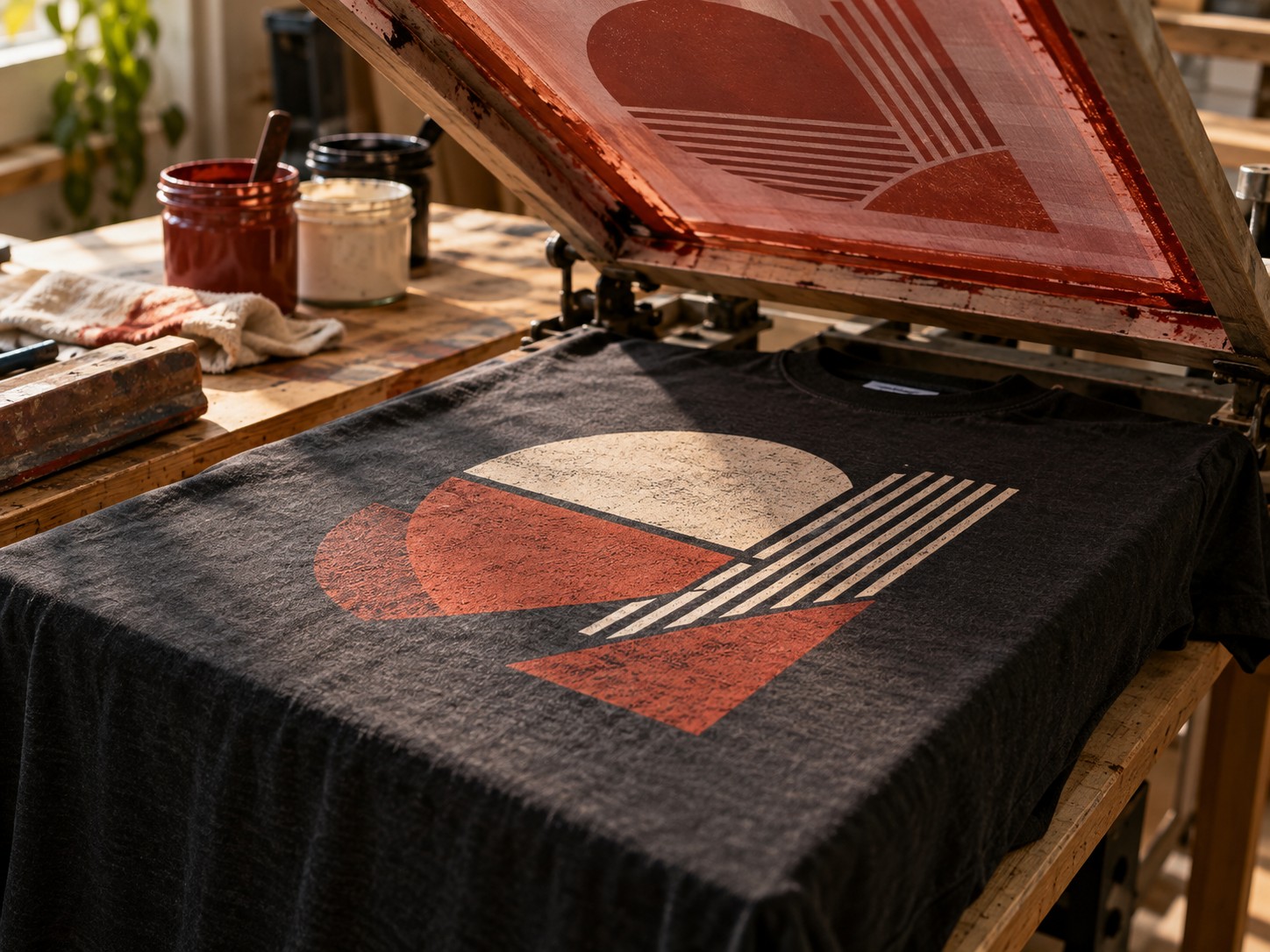
For now, DTF transfers are not replacing screen printing. They are expanding the range of what a custom apparel shop can offer. If you are ordering custom shirts and want a design that would be expensive or impractical to screen print, DTF is worth asking about. It gives you full color, low minimums, and fast turnaround. That combination is hard to beat for small to medium orders.
DSP Printing, located at 11611 Salinaz Dr Ste O, Garden Grove, CA 92843, USA, offers custom screen printing and embroidered apparel services for businesses and organizations, and they can help you decide whether DTF transfers or another method fits your next project.